Understanding the Benefits of Cat Trees
For many cat owners, ensuring their feline friends are happy and healthy is a top priority. One effective way to achieve this is through the introduction of cat trees. These multi-level structures offer a plethora of benefits that cater to the natural instincts of cats, making them essential components of a nurturing environment.
Why Cat Trees Are Essential for Cats' Wellbeing
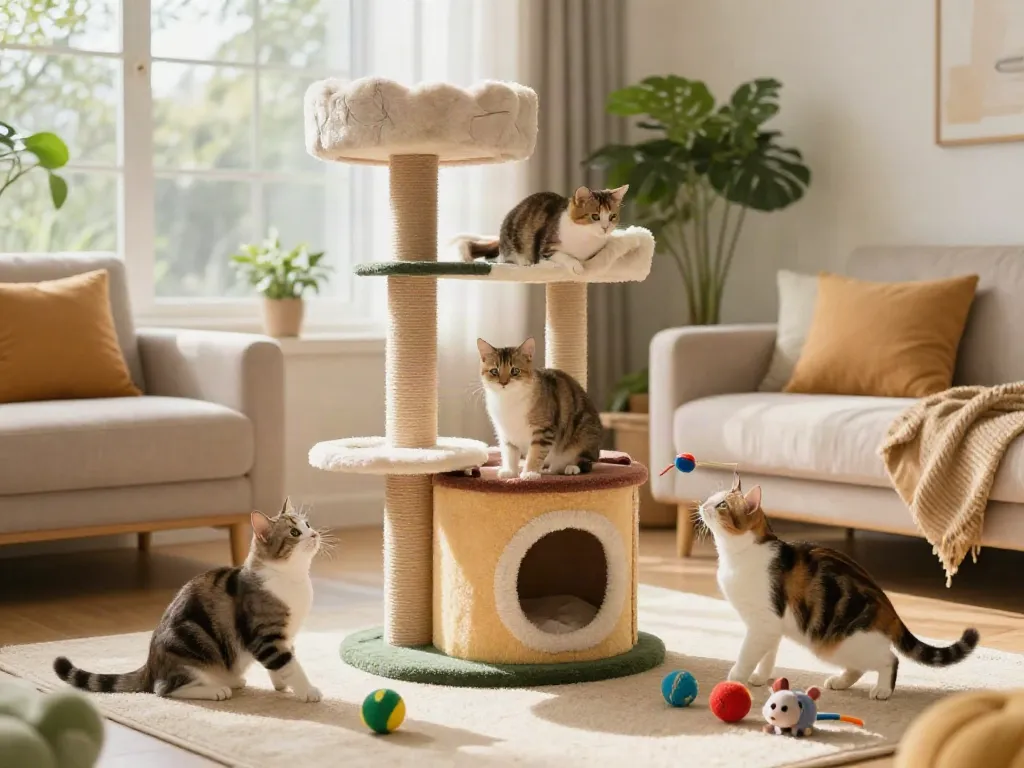
Cat trees provide an essential space where cats can exercise, explore, and retreat. These structures cater to a cat's natural behaviours, such as climbing and scratching, which are vital for their physical and mental health. By mimicking their natural environment, cat trees help in reducing anxiety and promoting overall wellbeing.
The Role of Cat Trees in Feline Play and Exercise
Active play is crucial for maintaining a healthy weight and preventing obesity in cats. A well-designed cat tree encourages cats to jump, climb, and engage in play, which keeps them fit and stimulated. Interactive features such as dangling toys or textured surfaces can further enhance their playtime.
Common Misconceptions About Cat Trees
Despite their benefits, some cat owners may hold misconceptions about cat trees. One common belief is that cat trees are only necessary for indoor cats, but outdoor cats can also benefit from them. They provide a safe space for cats to engage in natural behaviours without the risks associated with the outdoors.
Choosing the Right Cat Tree for Your Home
Selecting an ideal cat tree can seem daunting given the multitude of options available. It's vital to consider various factors to ensure you choose a tree that fits your living space and your cat's needs.
Factors to Consider When Selecting Cat Trees
- Size: Ensure the tree fits comfortably in your home without overcrowding your space.
- Stability: A stable structure is crucial, especially for larger cat breeds. Look for sturdy bases and quality materials.
- Height: Cats love to perch at high points, so a taller tree might be more appealing to your feline.
- Features: Consider trees with scratching posts, hideaways, and perches that cater to your cat's preferences.
Top Materials Used in Cat Tree Construction
Cat trees come in various materials, each with its pros and cons. Common materials include:
- Wood: Offers durability and aesthetic appeal, but can be heavier and more expensive.
- Carpet: Soft and comfortable, carpeted surfaces are popular, though they may need regular cleaning.
- Sisal: Often used for scratching posts, sisal is ideal for encouraging cats to scratch rather than your furniture.
Cat Trees for Different Breeds and Sizes
Not all cat trees are designed for every breed. Larger breeds such as Maine Coons may require sturdier and larger structures to accommodate their size and weight. In contrast, smaller breeds might thrive with compact trees that fit their playful nature. Always consider your cat's size and habits when making a selection.
Setting Up and Maintaining Your Cat Tree
Once you've chosen the perfect cat tree, positioning it correctly is key to its usage and longevity. Proper maintenance ensures that it remains a safe and inviting space for your cat.
How to Properly Position Your Cat Tree
Location matters greatly when setting up a cat tree. It should be placed in a quiet area where your cat feels safe, yet close enough to family activities to encourage interaction. Consider placing it near a window to give your cat a view of the outside, stimulating their curiosity.
Maintenance Tips for Longevity of Cat Trees
To ensure your cat tree lasts for years, regular maintenance is essential. This includes:
- Vacuuming to remove hair and dust.
- Checking for any loose screws or parts that may need tightening.
- Replacing worn or damaged scratching surfaces to keep your cat engaged.
Common Issues and Solutions for Cat Tree Maintenance
Over time, cat trees may show signs of wear. Common problems include wobbly platforms or frayed scratching posts. To address these issues, simply tighten screws or replace parts when necessary. Regular inspections can help catch problems before they escalate.
Innovative Features in Cat Trees for 2026
The cat tree industry is evolving, integrating innovative designs and technology to enhance feline care. Here's a glimpse at what to expect in 2026.
Smart Technology in Cat Trees: What to Expect
As smart home technology becomes more prevalent, cat trees are likely to follow suit. Features may include built-in sensors that alert owners of their cat's activity levels, or even automated toys that encourage play when the cat is nearby.
Eco-Friendly Designs and Materials Trends
There is a growing trend towards sustainability in pet furniture, with many manufacturers now using eco-friendly materials. Expect to see cat trees made from recycled materials or sustainably sourced wood, appealing to environmentally conscious pet owners.
Customisable Cat Trees for Unique Needs
As pet owners seek more personalised options, customisable cat trees are becoming increasingly popular. These can include modular designs that allow owners to add or remove components based on their space and their cat's preferences.
Future Trends in Cat Care and Cat Trees
As we look to the future, several trends are emerging in the realm of cat care and cat tree design.
The Impact of Social Media on Cat Ownership
Social media continues to influence pet ownership, particularly with trends driven by viral cat videos. Cat trees styled to be visually appealing for social sharing may become more common, merging functionality with aesthetics.
Emerging Trends in Cat Furniture within 2026
Expect to see an increasing number of multifunctional furniture pieces that blend cat trees with human furniture, allowing for seamless integration into home decor while providing a space for cats to thrive.
Expert Insights on Cat Behaviour and Environment
Understanding feline behaviour can greatly improve the design and functionality of cat trees. Experts are emphasising the importance of creating environments that cater to a cat's natural instincts, indicating a potential shift towards trees that integrate natural elements.
What Are the Best Practices for Cat Owners?
Best practices for cat owners in 2026 will likely revolve around enriching their cats' lives through play, interaction, and proper environmental setups. This includes providing multiple vertical spaces like trees and shelves.
How Do Cat Trees Contribute to Enrichment?
Cat trees are not just furniture; they are tools for enrichment. They help fulfill a cat's need for physical activity, mental stimulation, and territorial behaviour, all of which are crucial for a happy cat.
What Is the Best Brand of Cat Tree?
The best brand often depends on individual needs and preferences. Brands that focus on quality materials, design innovation, and customer satisfaction typically receive high recommendations from cat owners.
How Often Should I Replace My Cat Tree?
With proper care, a cat tree can last several years. However, signs of wear, such as unstable platforms or damaged scratching posts, may necessitate early replacement. Regularly assessing its condition will help determine the right time for a new purchase.
Do Cats Prefer Multifunctional Cat Trees?
Many cats enjoy trees that offer varied features—such as climbing, scratching, and hiding spots. Multifunctional designs can provide a richer environment, catering to different behaviours and preferences.